
The Clearing
How a line from The Boxer by Simon & Garfunkel can define your whole being

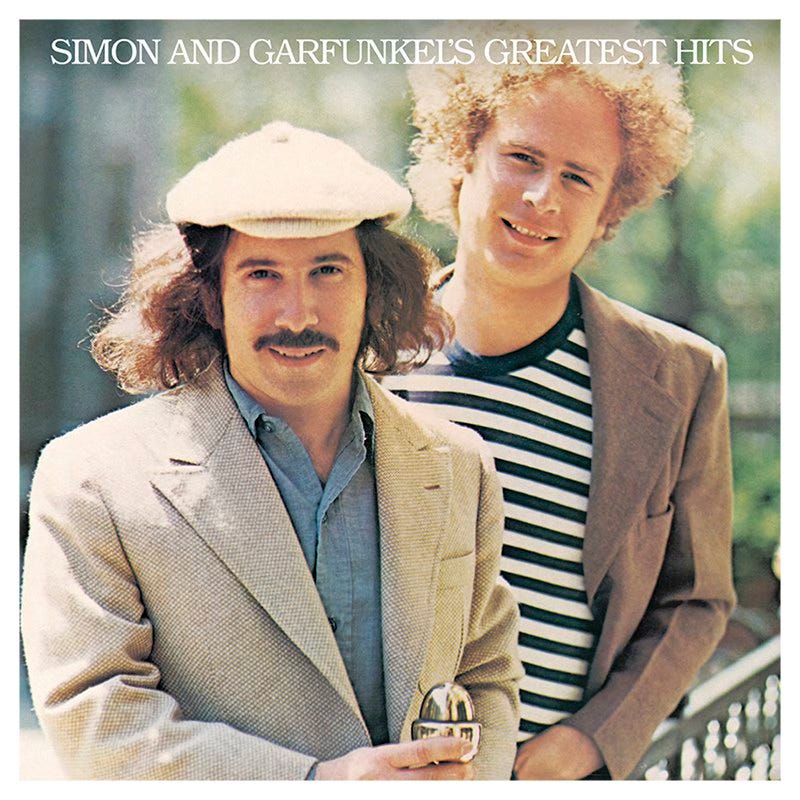
By the time “In the clearing stands a boxer…” arrives, the song has already walked through hunger, loneliness, city cold, and the kind of pride that tastes metallic in the mouth. Then the camera pulls back. Wide shot. A figure in an open space where trees used to be. No ropes. No crowd. Just air and memory.
It’s one of those lines that feels carved instead of written.
“A fighter by his trade.”
Trade. That word smells like sweat that dried overnight. It sounds like something learned the slow way. Apprenticeship. Repetition. Knuckles toughened against rope and regret. A trade is not a hobby. It is not therapy. It is how you pay for bread. It is what you wake up already tired for.
And this fighter stands in a clearing.
A clearing is what happens after something has been cut down. It is not nature at its wildest. It is nature interrupted. Something has been removed. Trees, yes. But also cover. Protection. Noise. In a clearing, you can be seen from every angle. There’s nowhere to lean. Or hide.
That’s life after a few rounds.
The metaphor is almost too clean. A boxer as a man working through life’s struggles. But the genius is in the restraint. The song never says the word struggle. It does not announce hardship. It just shows a body carrying reminders.
“And he carries the reminders of every glove that laid him down or cut him till he cried out.”
Reminders. Not trophies. Not victories. Not even defeats. Reminders.
You can almost hear the gloves thudding in that word. The dull percussion of contact. The soft leather that feels harmless in the hand but brutal in motion. Gloves are civilized violence. Padded. Regulated. Measured. Still they break noses. Still they swell eyes shut.
Every glove.
Not the worst one. Not the one that nearly ended it. Every one.
That’s the detail that turns the line from dramatic to human. Because life rarely wrecks you with one perfect punch. It works you over with accumulation. Small humiliations. Missed chances. Jobs that grind. Love that drifts. Pride that won’t bend. You go down once. Then again. Then you start to measure the canvas.
The boxer carries each of those impacts like a ledger.
You and I do too.
We carry the first time we failed publicly. The first time we heard the door close and knew it would not reopen. The day the phone did not ring. The meeting where we said too much. The meeting where we said nothing at all. We carry the quiet apologies we never received.
They do not vanish. They settle into our posture.
A fighter by trade understands something the rest of us pretend to ignore. You will be hit. It is not a possibility. It is the contract. You step into the ring and agree to collision. You lace the gloves and consent to damage.
Most of life’s trades are the same. You choose ambition. You accept anxiety. You choose love. You accept vulnerability. You choose to build something. You accept that it can break.
The song does not romanticize the blows. It does not polish them into lessons. It says they cut him till he cried out.
That cry matters.
In popular mythology, the boxer grits his teeth. He absorbs punishment in silence. He spits blood and nods. Here, he cries out. It is involuntary. A body’s refusal to pretend.
That detail cracks the metaphor open. This is not a monument to stoicism. It is an admission that pain is loud. That even the tough ones reach a pitch where the sound escapes them.
If you have worked long enough at anything that matters, you have cried out. Maybe not in a ring. Maybe in a car with the engine off. Maybe in a kitchen at midnight. Maybe in a hospital corridor with not enough information. The cry is not weakness. It is pressure releasing before something ruptures.
And still, the boxer stands.
Not triumphant. Not restored. Just standing.
There is a difference between standing and winning. Standing is survival stripped of glamour. It is what remains when the cheering fades. It is what you do when no one is watching and the adrenaline has drained.
In the clearing, there is no audience. The fighter’s identity is not confirmed by applause. He stands because that’s what he knows how to do. Because the alternative is horizontal.
There’s a quiet defiance in that posture. Not chest out. Not fists raised. Just upright.
The line rings like a final image in a black and white film. Dust in the air. Sun cutting across a scarred face. The camera does not move closer. It lets the space do the talking.
The clearing is important because it suggests aftermath. The forest once stood thick. Now it’s gone. Something violent or necessary made room. Maybe both. That’s how growth often arrives. Something falls. Something is cut away. You step into the open and feel exposed.
Work long enough at living and you find yourself in several clearings. After a divorce. After a layoff. After a move. After the death of someone who anchored you. The landscape looks wider. Also lonelier. The noise of the forest is gone. You hear your own thoughts.
And you carry reminders.
There’s a temptation to interpret reminders as bitterness. But the word is more neutral than that. A reminder can be caution. It can be memory. It can be identity.
Scars do not just tell you how you were hurt. They tell you where you healed.
The boxer carries every glove that laid him down. Which means he got up every time too. The song does not itemize the comebacks. It does not detail the rounds survived. But the math is there. If he stands now, he rose before.
That’s the quiet arithmetic of resilience. You do not need a montage.
The metaphor extends beyond the individual. It speaks to the worker. The artist. The immigrant. The parent. Anyone who makes a trade with the world and pays in bruises.
There’s something distinctly blue collar about the image. Fighting as trade. Pain as overhead. The body as instrument and invoice. It evokes a life where effort is visible. Where the cost shows on the surface.
But the metaphor is elastic. You can be a boxer behind a desk. In a classroom. On a factory floor. In a studio at two in the morning chasing a melody that will not land. The gloves change shape. The impact feels familiar.
What makes the line linger is its refusal to offer closure. The song does not end with a championship belt. It ends with that stance in the clearing. No resolution. Just presence.
In a culture obsessed with redemption arcs, that restraint feels radical. We expect the hero to win. We expect the narrative to tie. Here, we get endurance.
Endurance is less cinematic. It is also more common.
The boxer’s trade is not victory. It is fighting. And fighting includes losing. Being cut. Being laid down. Crying out.
There is dignity in naming that.
Too often we rewrite our own stories to smooth the blows. We edit out the times we were on the canvas. We remember the wins and forget the knockdowns. But the line insists on total accounting. Every glove.
That kind of honesty is bracing. It suggests that what shapes you is not just success. It is contact. Friction. Resistance.
Steel is strengthened by pressure. Muscles tear before they grow. Skin toughens where it has been rubbed raw. The body adapts to what it survives.
So does character.
The boxer in the clearing is not the same man who first laced up. He carries more weight. Not in muscle. In memory. Each glove has altered him. Some changes are visible. Others are internal. A hesitation. A quicker guard. A deeper breath before engagement.
Life’s struggles function the same way. They carve. They refine. They harden. They soften. Sometimes both at once. You learn where you can absorb impact. You learn where you cannot.
There is also loneliness in that image. Fighters train in teams. They spar. They listen to coaches. But in the ring, it is singular. You and the opponent. You and the bell.
The clearing echoes that solitude. No corner man. No cutman pressing ice to swelling. Just the man and the sum of his fights.
At some point, adulthood feels like that. The advice fades. The training wheels come off. You stand in an open space with your history. The next move is yours.
And still, you carry the reminders.
The line refuses sentimentality. It does not say the reminders made him better. It does not claim they were worth it. It simply states that he carries them.
There is honesty in that neutrality. Some blows teach. Some just hurt. Some losses clarify. Others confuse. The value is not always obvious.
But they accumulate. They build the fighter.
Maybe that is the quiet thesis of the metaphor. You are not defined by a single triumph or failure. You are the composite of every glove. The jabs that stung. The hooks that dropped you. The cuts that made you cry out.
Remove them and you remove the shape.
In the clearing, the boxer is the sum of contact. Scar tissue and stubbornness. Fatigue and faith. He stands because that is what fighters do. Even when the crowd is gone. Even when the forest has been cleared.
There is no promise of what happens next. Another fight. Retirement. A long walk out of frame. The song leaves him there.
And maybe that’s the point.
Life does not end in orchestral swell. It pauses in clearings. In moments where you look around and take stock of what you carry. Where you feel the ache in old wounds when the weather shifts. Where you understand that the trade you chose has shaped you in ways you did not anticipate.
The boxer stands. Not pristine. Not undefeated. Not unscarred.
Standing.
For anyone who has worked through life’s struggles, that image lands like truth. You will be laid down. You will be cut. You may cry out. And afterward, you will carry it. Into the next round. Into the person you become.
The gloves leave marks. The marks become memory. The memory becomes identity.
And there you are. In the open. Upright. Sum of every impact.
Still a fighter by trade.
Still standing.
Well, I for one will never listen to that song the same way again! Love the dive!!
I loved every word and sentence you shared here, thank you. An article I will be sharing with my family today. ❤️